Simulating urban traffic with agent-based models
Đội ngũ CiviXJune 28, 20261 min read
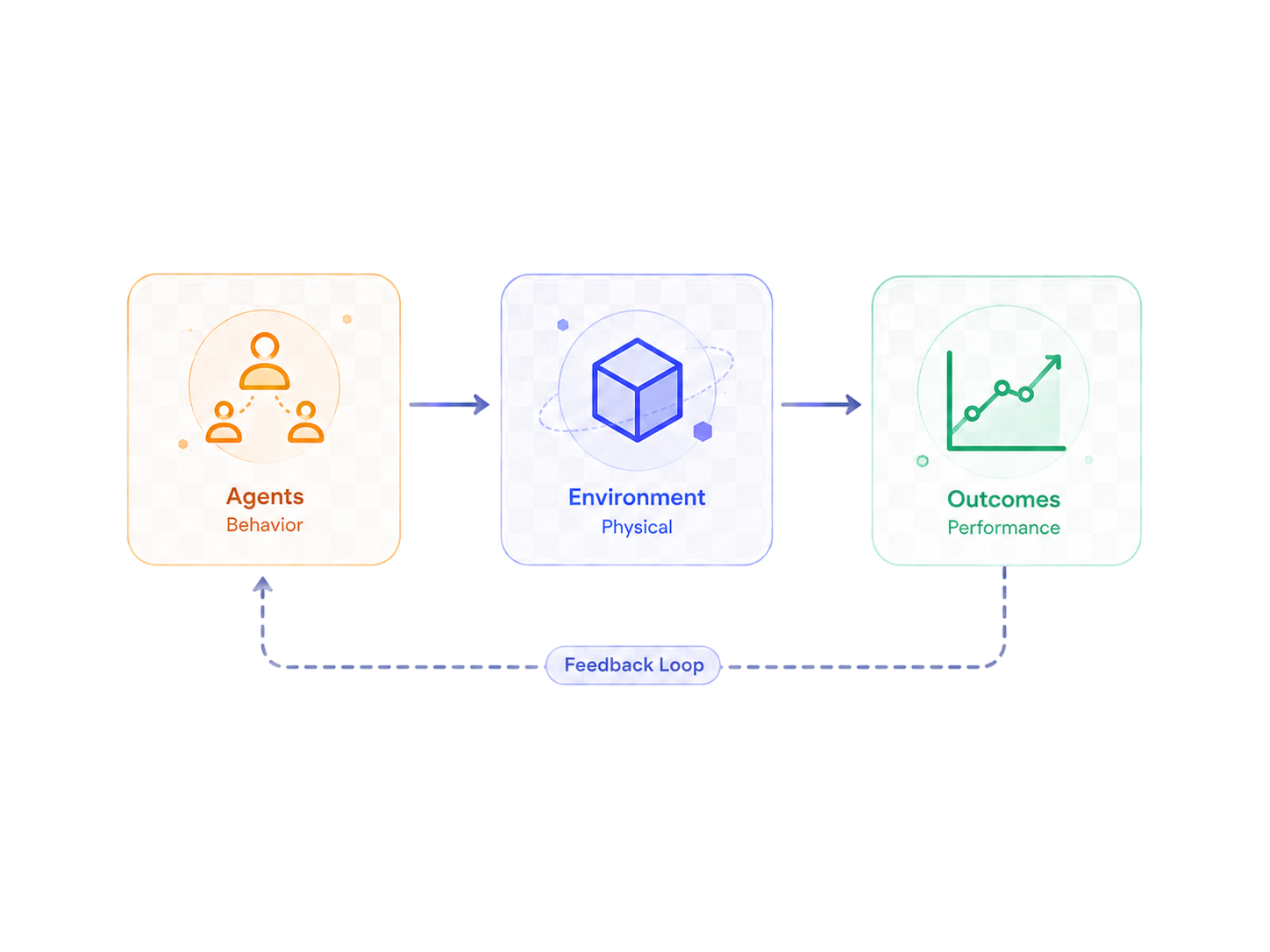
When planning a new intersection or corridor, the important question is not just average volume, but what happens at peak hours, during incidents, or when traveler behavior shifts.
From aggregate flow to individual agents
Older models treat traffic like a flowing fluid. That is fast, but it misses the local interactions that create real congestion. Agent-based models simulate each vehicle with its own goals, route, and decisions.
What this lets us do
- Test how the network reacts to unexpected incidents.
- Compare several traffic-signal strategies.
- Assess the impact of new transit lines or dedicated lanes.
Pairing with surrogate models
Running full agent-based simulations is resource intensive. CiviX trains surrogate models on those runs, letting planners try hundreds of options almost instantly, then run the full simulation only for the most promising ones.